


 Billing Support
 Your Orders
 Your Quotes
Best Kept Refrigerated: Cold Storage Across the Food Industry
Loading...
16 view(s)
Cold is cold, right? Not even close. A steak, a gallon of milk, a carton of eggs, a crate of bananas and a keg of beer all need refrigeration, but they need it at different temperatures for different reasons. Get it wrong and you lose product, fail an inspection or make someone sick.
Let’s break down how refrigeration needs differ across five corners of the food and beverage business: meat processing, dairy industry, egg production, produce storage and the beverage industry.
If you run, maintain or supply cold storage facilities, this is the cheat sheet for why one setup never fits every product.
Meat Processing Industry and Meat Packing
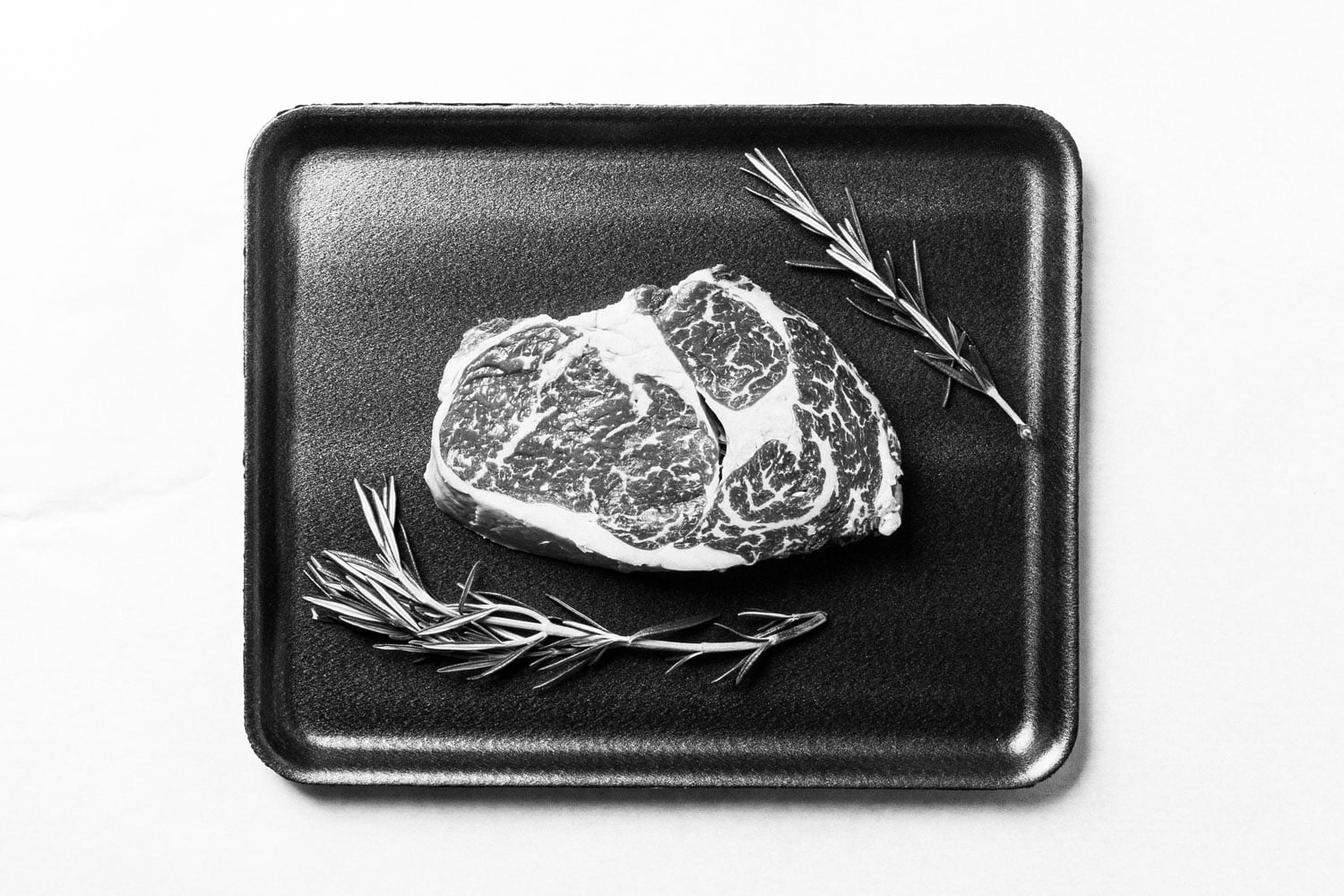
The meat processing industry runs the heaviest, coldest refrigeration loads of the five, and it runs them around the clock. The whole game is pulling heat out of carcasses fast, then holding product right at or below the edge of freezing.
Production
In meat packing, chilling starts the moment the animal is dressed. Beef and pork carcasses roll straight into chill coolers, and each plant validates its own chilling times and temperatures as part of its food safety plan.
Poultry moves faster and has clearer benchmarks. According to USDA's Food Safety and Inspection Service (FSIS), carcasses under 4 pounds reach 40 degrees F or below within 4 hours, 4 to 8 pounds within 6 hours, and over 8 pounds within 8 hours. Giblets get 2 hours to hit 40 degrees F. FSIS also lets plants run their own validated procedures instead. Birds are chilled in water immersion tanks or by air.
Storage
The USDA recommends holding refrigerated meat at 40 degrees F or below and frozen product at 0 degrees F or below. According to FSIS guidance on freezing and food safety, freezing to 0 degrees F inactivates bacteria, yeasts and molds but doesn't kill them, which is why thawed product gets handled like fresh.
Equipment
Big plants almost always run central ammonia systems, often two-stage, to hit low temperatures efficiently. Expect blast freezers, spiral and IQF freezers, plate freezers, poultry immersion chillers and evaporators that defrost often. Daily washdown means every component has to stand up to water, chemicals and sanitation crews.
What sets it apart
Volume and speed. Meat packing moves huge amounts of warm product through cold rooms every shift, so compressors, coils and controls never get a day off.
Dairy Industry: Milk Processing and Dairy Production
Dairy production is a heat-then-cool business. Most of the refrigeration load goes into chilling liquid fast, at the farm and again at the plant, and the product range runs from cheese rooms to freezer-hard ice cream.
Production
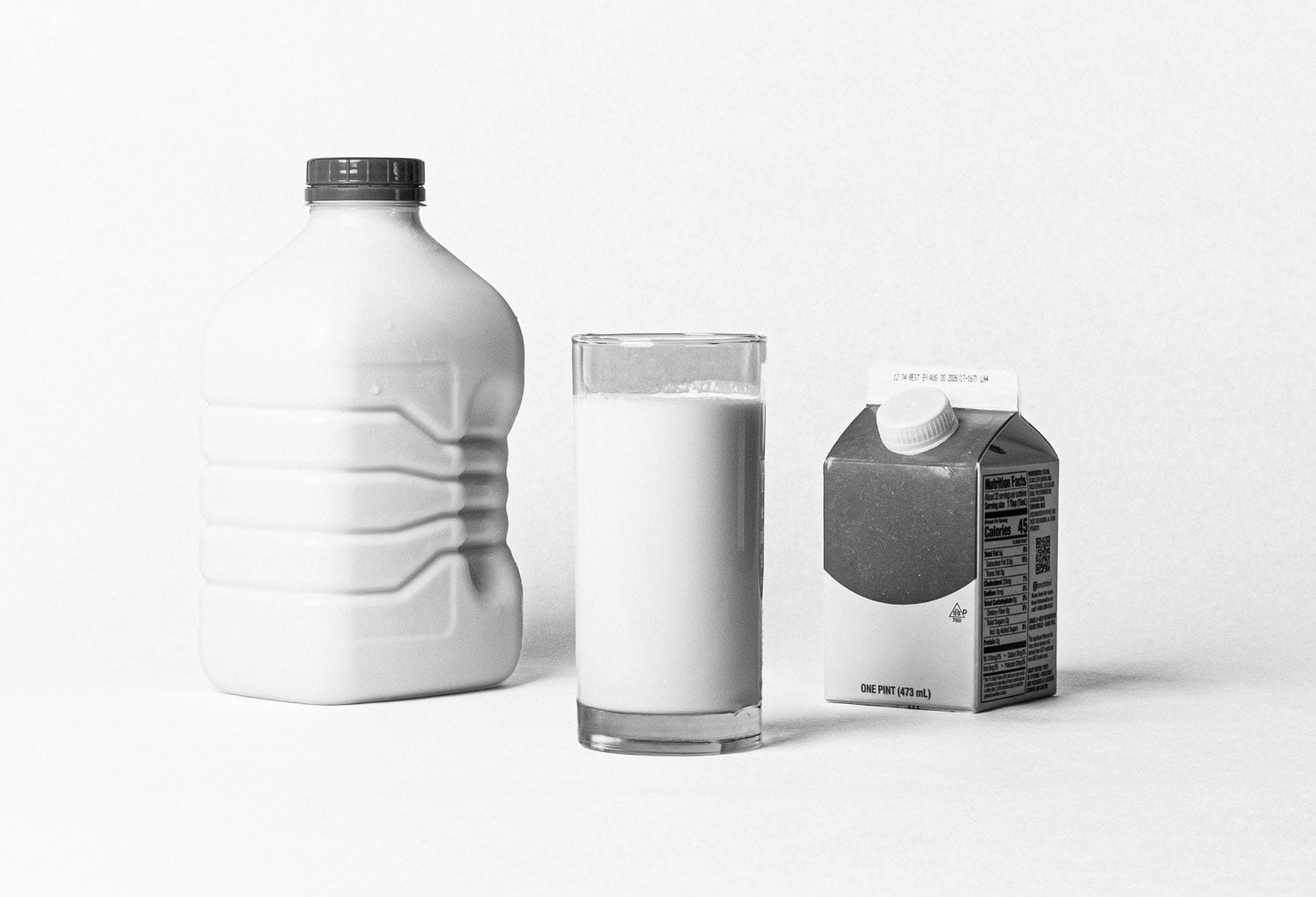
Cooling starts in the milking parlor. The FDA's Grade "A" Pasteurized Milk Ordinance (PMO) requires raw milk to drop to 50 degrees F or less within 4 hours of the start of milking, then to 45 degrees F or less within 2 more hours. The blended tank can't climb back above 50 degrees F when the next milking goes in.
At the plant, milk processing flips the script. According to the USDA National Agricultural Library, high-temperature short-time (HTST) pasteurization heats milk to at least 161 degrees F for at least 15 seconds. The PMO then requires the milk to be pulled back down to 45 degrees F or less and kept there. That swing happens in plate heat exchangers with a regeneration section, chased by ice water or glycol.
Storage
Under the FDA's PMO, fluid milk, cream, yogurt and other cultured products stay at 45 degrees F or less from the plant to the store. Frozen dairy, like ice cream and butter held for the long haul, goes into freezers at 0 degrees F or below, the freezer standard USDA's FSIS recommends. Cheese aging rooms are their own animal, with tight control on both temperature and humidity.
Equipment
Ice builders bank cooling capacity overnight to handle the morning flood of milk. Plants also lean on glycol and water chillers, plate heat exchangers, jacketed silos and tanks, and hardening tunnels for ice cream. Everything that touches the product has to survive the plant's clean-in-place (CIP) cycle.
What sets it apart
The dairy industry has the widest spread of the bunch. One plant can need warm cheese rooms, 45-degree milk coolers and deep-freeze ice cream storage under the same roof.
Egg Production Industry and Egg Storage Temperature
The egg production industry doesn't need deep cold. It needs steady cold. The temperatures are moderate, but swings, condensation and timing can wreck a load just as fast as a dead compressor.
Production
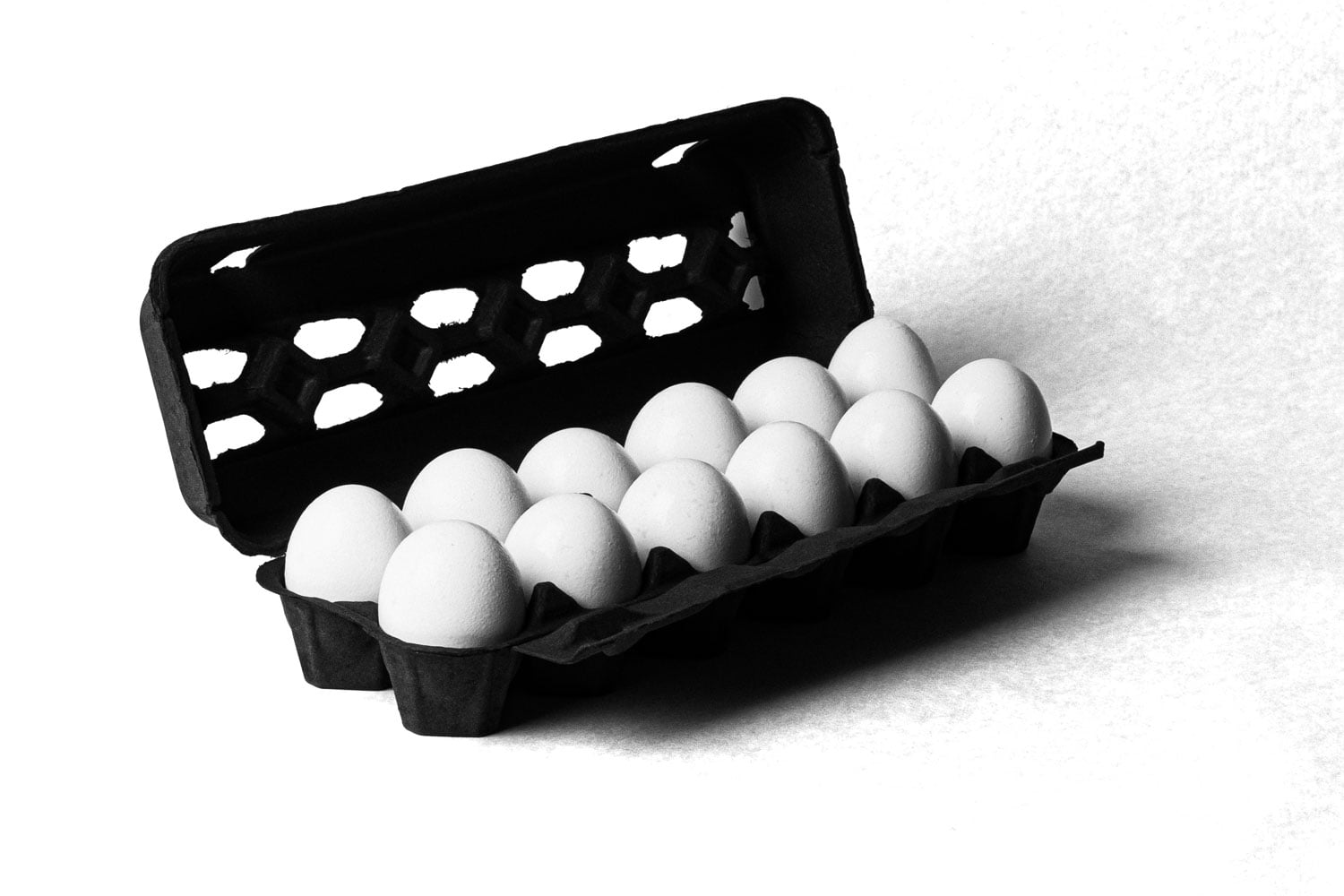
According to USDA's Agricultural Marketing Service (AMS), an egg comes out of the hen at around 105 degrees F. The FDA's Egg Safety Rule requires shell eggs to be held and transported at 45 degrees F or below starting 36 hours after they're laid, a requirement FSIS also cites in its egg safety research.
Washing runs the other direction. USDA AMS grading rules require wash water of at least 90 degrees F and at least 20 degrees warmer than the eggs. Warm water keeps the egg from contracting and pulling dirty water through the shell.
Storage
The standard egg storage temperature is 45 degrees F or below. According to USDA AMS, USDA-graded eggs go under refrigeration at that ambient temperature promptly after packing, and grading plant coolers must be able to hold it. USDA food safety guidance also warns that shell eggs should never be frozen.
The biggest field problem is sweating. When cold eggs hit warm, humid air on a dock or in a truck, condensation forms on the shell and gives bacteria a way in. Eggs also soak up odors, so they can't share a room with onions or other strong-smelling product.
Equipment
Egg coolers need even, gentle airflow, humidity control and well-managed dock transitions. Breaking plants that make liquid egg also use pasteurizers and chilled tanks.
What sets it apart
Consistency beats raw cooling power. A cooler that holds a steady 45 degrees does more for eggs than one that swings between 35 and 50.
Produce Industry and Produce Storage
The produce industry is the most complicated of the five because there's no single right temperature. Fruits and vegetables are still alive after harvest. They breathe, ripen and lose water, and some of them get damaged by cold that would be perfect for their neighbor.

Production
The first job is pulling field heat out as fast as possible. USDA's Agriculture Handbook 66, published by the Agricultural Research Service and the industry's go-to reference for commercial produce storage, matches precooling methods to each crop:
-
Hydrocooling with chilled water for crops like sweet corn and celery
-
Forced-air cooling for berries and grapes
-
Vacuum cooling for lettuce and leafy greens
-
Package icing for water-tolerant crops like broccoli
Storage
According to USDA Agriculture Handbook 66, produce storage splits into two camps:
-
Cold and wet. Lettuce, broccoli and most leafy greens keep best right around 32 degrees F at 95 to 100 percent relative humidity. Apples also store near freezing, often in controlled-atmosphere (CA) rooms that lower oxygen to slow ripening for months.
-
Chill-sensitive. Tropical and warm-season crops get damaged by cold. Bananas hold at about 55 to 57 degrees F, mature-green tomatoes at about 55 to 62 degrees F, and sweet potatoes at about 55 to 60 degrees F. Potatoes headed for chips and fries need roughly 46 to 54 degrees F so starch doesn't turn to sugar.
Ethylene adds another wrinkle. USDA's handbook notes that apples, tomatoes and bananas give off ethylene gas, which speeds ripening and yellowing in sensitive crops like leafy greens and broccoli. The two groups shouldn't share air.
Equipment
Produce storage rooms use big coils with a small temperature difference so they don't dry out the product. Facilities may also run CA rooms, ethylene scrubbers, ripening rooms that add ethylene on purpose for bananas and avocados, and hydrocoolers or vacuum coolers in the field or packing shed.
What sets it apart
Humidity and atmosphere matter as much as temperature. A single produce warehouse might need four or five zones running different setpoints.
Beverage Industry and Juice Production
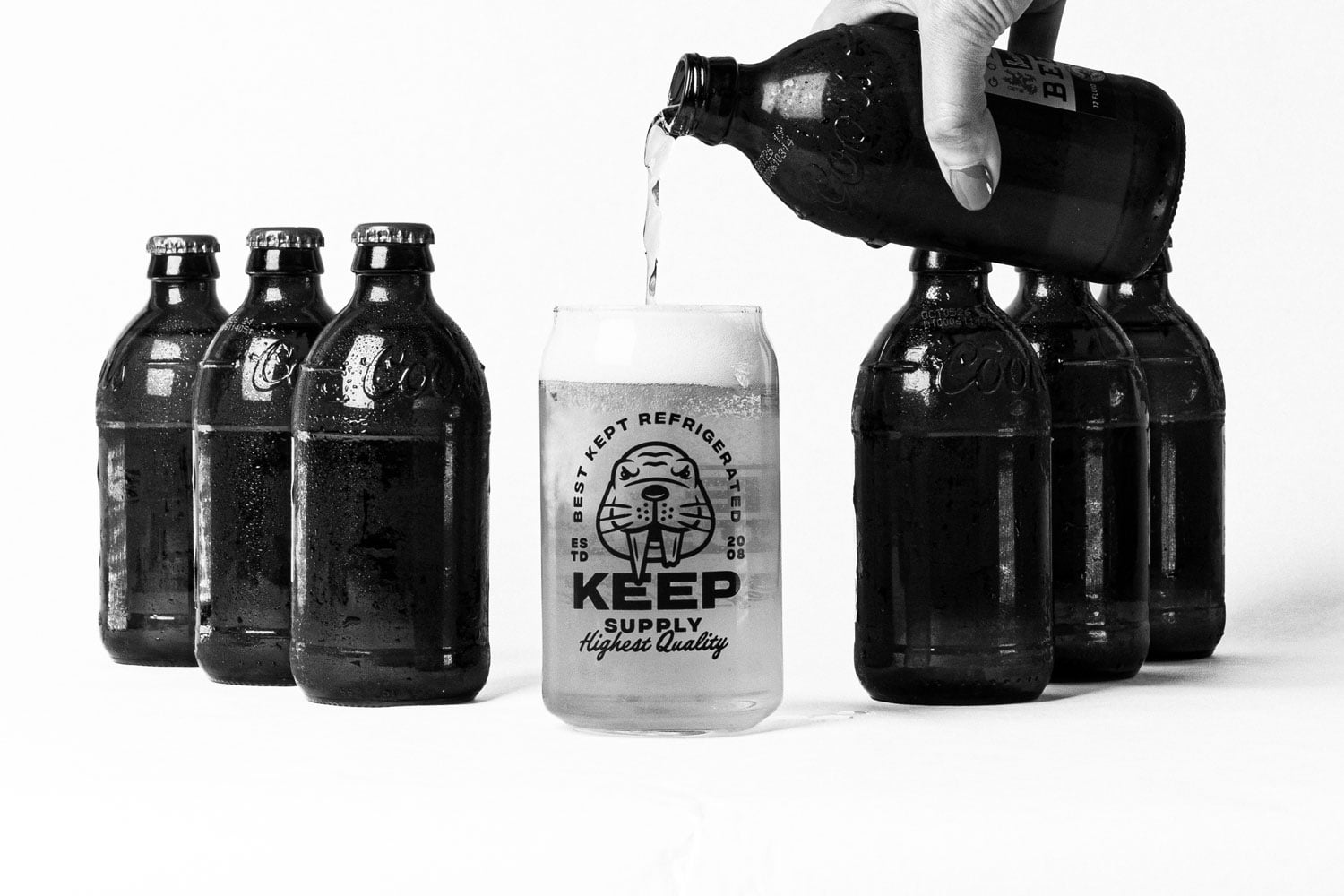
In the beverage industry, most of the refrigeration happens before the product is ever sealed. Breweries, wineries, bottlers and juice plants are cooling liquids in tanks and lines, and a lot of what they ship doesn't need a cooler at all once it's packaged.
Production
-
Beer: Yeast throw off heat while they ferment, so glycol-jacketed fermenters keep each batch on target. After fermentation, brewers crash the beer cold to drop out yeast and haze, then hold it cold in brite tanks.
-
Wine: Fermentation temperature shapes flavor, so wineries run glycol jackets or cooling plates on their tanks. Many also chill finished wine hard to settle out tartrate crystals before bottling.
-
Soft drinks: CO2 dissolves far better in cold liquid, so bottlers chill water and syrup before carbonating.
-
Juice: The FDA's juice HACCP rule requires processors to achieve a 5-log, or 99.999 percent, reduction in the most resistant pathogen of concern. Pasteurization is the most common way to get there, and the product is cooled fast afterward.
Storage
Storage depends on the drink. Sealed soft drinks, shelf-stable juice and canned beer can ride at room temperature. Refrigerated juice is a different story, especially low-acid juices like carrot juice. In its guidance on refrigerated carrot juice and other low-acid juices, the FDA tells processors to use "Keep Refrigerated" labeling along with pathogen controls, because temperature abuse can let botulism toxin form. Unpasteurized craft beer and fresh juice need cold storage all the way to the customer.
Equipment
Glycol chillers circulating to jacketed tanks do most of the work. Add plate heat exchangers, carbo-coolers, CO2 recovery systems and draft systems for bars and taprooms. Large breweries and bottlers may run ammonia plants, but most craft operations live on glycol.
What sets it apart
The beverage industry is about process cooling more than storage. The hardest refrigeration work happens in the tank, not the warehouse.
Side-by-Side: Cold Storage Needs by Industry
|
Industry |
Key federal temperature benchmark |
Biggest refrigeration challenge |
Typical system |
|
Meat processing and meat packing |
Poultry to 40 degrees F within 4 to 8 hours by weight; frozen storage at 0 degrees F or below |
Pulling heat out of carcasses fast, nonstop |
Central ammonia, blast and spiral freezers |
|
Dairy |
Raw milk to 45 degrees F within 2 hours after the first 4; HTST at 161 degrees F for 15 seconds, then back to 45 degrees F |
Rapid heat-then-cool cycles on liquid |
Ammonia, ice builders, glycol, plate heat exchangers |
|
Eggs |
45 degrees F or below starting 36 hours after lay |
Avoiding swings and condensation |
Moderate coolers with humidity control |
|
Produce |
Near 32 degrees F for greens; about 55 to 60 degrees F for chill-sensitive crops |
Humidity, atmosphere and ethylene by crop |
Multi-zone rooms, high-humidity coils, CA storage |
|
Beverages and juice |
5-log pathogen reduction for juice; "Keep Refrigerated" for low-acid refrigerated juice |
Process cooling inside tanks |
Glycol chillers, heat exchangers |
Sources for each row are linked in the industry sections above.
What It Means for Cold Storage Facilities
According to the USDA National Agricultural Statistics Service (NASS), the United States had 3.99 billion cubic feet of gross refrigerated warehouse space across 931 facilities on Oct. 1, 2025, and 79 percent of the usable space was freezer space. NASS also tracks what's sitting in that space every month, from meat and poultry to dairy, eggs, fruit, vegetables and juice concentrate.
That mix explains why cold storage facilities are rarely one-size-fits-all. A distribution center serving all five industries needs freezer rooms for meat and dairy, steady 45-degree egg coolers, humid produce rooms at several setpoints and dry storage for shelf-stable drinks. Every one of those rooms runs on compressors, valves, coils, controls and the parts that keep them going.
When the Cold Stops: Downtime, Lost Product and Fast Parts
Every temperature in this guide depends on equipment that runs all day, every day. When a part fails, the clock starts on the product inside.
What happens when a refrigeration system goes down
A failed compressor, a stuck valve, or a burned-out fan motor, never pick a convenient time. Once a cooler or freezer stops pulling heat, product temperatures start climbing toward the limits covered above. Production lines stop. Trucks sit at the dock. Crews scramble to move product into backup space, if there is any.
The longer the system stays down, the more product crosses the line from salvageable to scrap.
What happens to product stored at the wrong temperature
The USDA advises throwing out perishable food such as meat, poultry, fish, milk, soft cheeses, eggs and deli items that have been in a refrigerator or freezer above 40 degrees F for 2 hours or more. According to the same USDA guidance, frozen food that still has ice crystals or is at 40 degrees F or below can be refrozen.
Eggs show how fast the risk adds up. A joint FDA-FSIS risk assessment found that eggs stored for 5 days at 65 degrees F instead of 45 degrees F carried average Salmonella Enteritidis levels 30 times higher.
Spoiled product is a total loss. The business eats the cost of the product plus the labor, energy and packaging already in it. Then come disposal costs, cleanup and sanitation, missed orders and frustrated customers. If temperature-abused product makes it out the door, the fallout can include recalls and regulatory trouble.
How Keep Supply keeps cold storage running
Keep Supply delivers industrial refrigeration parts and MRO supplies to the facilities that feed the country, from meat packing plants and dairy processors to egg coolers, produce warehouses and beverage plants. We're based in Springfield, Missouri, we are centrally located to quickly deliver parts from coast-to-coast, many as fast as the next day.
We deliver parts fast because food can't wait. Producing and storing food has to happen at the correct temperatures, and every hour a system sits down puts product, revenue and customers at risk. When a technician needs a part, our job is to get it moving so the system gets back to temperature before the product inside crosses the line.
Frequently Asked Questions
What is the correct egg storage temperature?
Shell eggs should be stored at 45 degrees F or below without freezing. The FDA's Egg Safety Final Rule requires producers to hold and transport eggs at that temperature starting 36 hours after they're laid.
How cold does milk have to be after milking?
According to the FDA's Pasteurized Milk Ordinance, raw milk must be cooled to 50 degrees F or less within 4 hours of the start of milking, then to 45 degrees F or less within 2 more hours.
What temperature is milk pasteurized at in milk processing?
According to the USDA National Agricultural Library, the most common method, HTST pasteurization, heats milk to at least 161 degrees F for at least 15 seconds, followed by rapid cooling.
How fast does poultry have to be chilled in the meat processing industry?
FSIS safe-harbor guidance calls for carcasses to reach 40 degrees F or below within 4 hours if under 4 pounds, 6 hours if 4 to 8 pounds, and 8 hours if over 8 pounds. Plants can also use their own validated procedures.
What temperature should a commercial freezer be for meat?
According to USDA's FSIS, a freezer should run at 0 degrees F or below. Food held there stays safe because microbes go inactive, though freezing doesn't kill them.
Can all produce be stored at the same temperature?
No. According to USDA Agriculture Handbook 66, leafy greens and broccoli keep best near 32 degrees F with very high humidity, while bananas, tomatoes and sweet potatoes can be damaged below about 55 degrees F.
Why does ethylene matter in produce storage?
Ethylene is a ripening gas given off by crops like apples, tomatoes and bananas. USDA Agriculture Handbook 66 notes that it speeds ripening and spoilage in sensitive crops like leafy greens, so the two shouldn't be stored together.
Does juice production require refrigeration?
It depends on the product. The FDA's juice HACCP rule requires processors to achieve a 5-log pathogen reduction, usually through pasteurization. Shelf-stable juice can be stored at room temperature, but FDA guidance calls for "Keep Refrigerated" labeling and strict cold chain control on refrigerated low-acid juices.
How does refrigeration in the beverage industry differ from food?
Most beverage refrigeration is process cooling: controlling fermentation heat, chilling liquid before carbonation and cooling juice after pasteurization. Many finished drinks are shelf stable, so storage needs are lighter than for meat, dairy or eggs.
How much cold storage capacity does the U.S. have?
According to USDA NASS, U.S. refrigerated warehouses held 3.99 billion cubic feet of gross capacity across 931 cold storage facilities as of Oct. 1, 2025.
What happens to food if a walk-in cooler or freezer goes down?
The USDA advises discarding perishable food that has been above 40 degrees F for 2 hours or more. Frozen food that still has ice crystals or is at 40 degrees F or below can be refrozen. Fast repairs and quick access to replacement parts are the best way to keep product from crossing that line.
The information in this post was accurate at the time of publishing. Regulations change and can vary by location, so always confirm current requirements with your local authorities.


Sign in or create an account
Sign Up for
 Today
Today
Every free Keep Pro account unlocks the following benefits and more:
- Pro Support
- Pro Web Tools
- Pro Rewards
Comments were not found


